




In the bustling world of cooking, even the simplest tasks can feel like a culinary Olympic event. But fear not! With a few clever kitchen tips, anyone can transform their cooking game from chaotic to charming. Imagine whipping up a gourmet meal without the stress of searching for that elusive spatula or figuring out how to peel garlic without losing a finger.
Simple Kitchen Tips for Every Home Cook
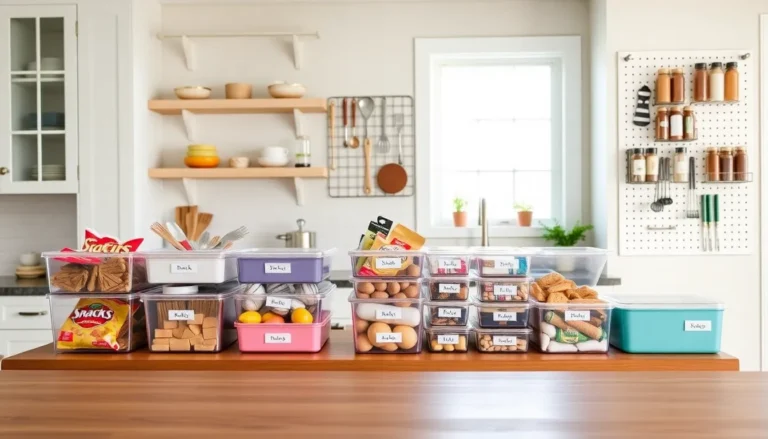
Keeping a tidy kitchen enhances efficiency. Store frequently used tools in easily accessible locations. Invest in clear containers for pantry items to improve visibility. Labels help maintain organization and prevent chaos during busy cooking sessions.
Garlic peeling can become simple with a few tricks. Smash the cloves with the flat side of a knife to separate the skin quickly. Pre-chopped garlic can save time when in a rush, but use it within a week for the best flavor.
Using a kitchen scale ensures precise measurements for ingredients. Accurate quantities improve recipe outcomes, especially when baking. Keep the scale handy for portion control, too.
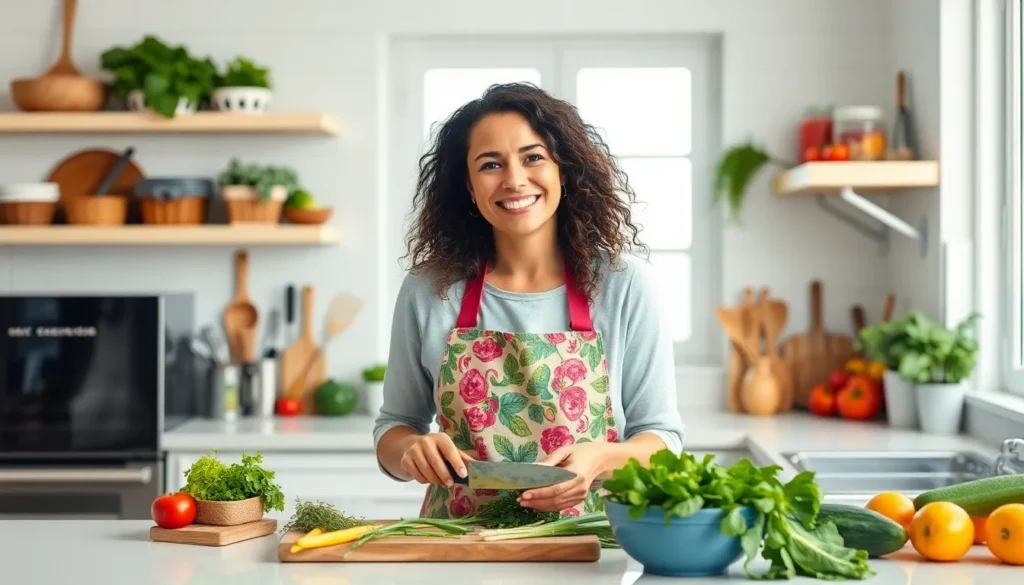
Chopping herbs improves flavor profiles in dishes. For best results, use a sharp knife to create thin slices. Store chopped herbs in a small container with water in the refrigerator to keep them fresh.
Cooking multiple meals at once reduces kitchen time. Choose recipes with similar cooking times to maximize efficiency. Portion leftovers into containers for easy grab-and-go meals throughout the week.
Utilizing a meat thermometer guarantees perfectly cooked proteins. Inserting it into the thickest part of meat helps avoid overcooking. Different meats have specific temperature guidelines; for instance, chicken should reach 165°F while beef can safely be medium rare at 135°F.
Clean as you cook to prevent overwhelming messes later. Rinse utensils and cutting boards while waiting for food to cook. This habit streamlines the cooking process and keeps the kitchen inviting.
Essential Tools for Your Kitchen
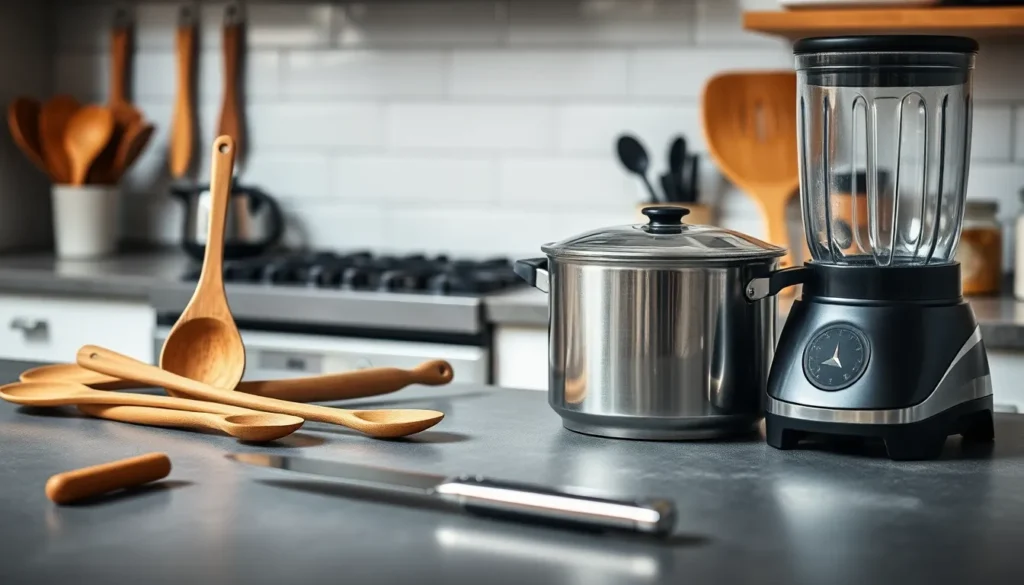
Essential tools enhance the cooking experience and streamline meal preparation. With the right utensils and equipment, home cooks can tackle any recipe with confidence.
Must-Have Utensils
Spoons serve various purposes, from stirring to serving. Spatulas allow for precise flipping and scraping, ensuring nothing goes to waste. Tongs provide the ability to grip hot food safely without burning fingers. A good chef’s knife simplifies chopping and slicing tasks. Measuring cups ensure accurate ingredient portions, which is crucial for consistent results, especially in baking. Lastly, a peeler easily removes skin from fruits and vegetables, speeding up prep time.
Choosing the Right Equipment
Choosing the right equipment impacts functionality and efficiency in the kitchen. Select pots and pans made from materials that retain heat evenly, such as stainless steel or cast iron. Non-stick options facilitate effortless cooking and cleaning. Opt for a blender that handles various tasks, from pureeing soups to making smoothies. Investing in a high-quality kitchen scale ensures precise measurements for recipes. Consider the size of appliances, as larger models may consume more counter space. Prioritizing durable items leads to longevity and consistent performance.
Time-Saving Techniques
These time-saving techniques simplify cooking, making it a more enjoyable experience.
Prepping Ingredients Efficiently
Organizing ingredients ahead of cooking saves time. Begin by washing and chopping vegetables, which makes meals quicker to assemble. Use techniques such as batch prepping to cut down on daily cooking tasks. Preparing herbs by washing and storing them in airtight containers maintains their flavor and freshness. Utilize tools like food processors for chopping or slicing; they reduce manual effort significantly. Measure spices in advance and store them together, ensuring easy access during cooking. By keeping all prepped items in one location, home cooks speed up the overall cooking process.
One-Pot Meal Ideas
One-pot meals simplify clean-up and cooking. Dishes like stir-fries, soups, or casseroles can be prepared in a single pot, allowing flavors to meld beautifully. Start with a base of protein, then add vegetables and grains for a complete meal. Recipes often take 30 minutes or less, making them perfect for busy weeknights. Consider utilizing a slow cooker or Instant Pot; these appliances reduce active cooking time. Meals such as chili or risotto not only taste great but also require minimal dishes, ensuring efficiency from prep to plate.
Organization Hacks
Effective organization transforms the kitchen into a model of efficiency. Implementing a few hacks simplifies daily tasks and creates a more pleasant cooking environment.
Keeping Your Kitchen Tidy
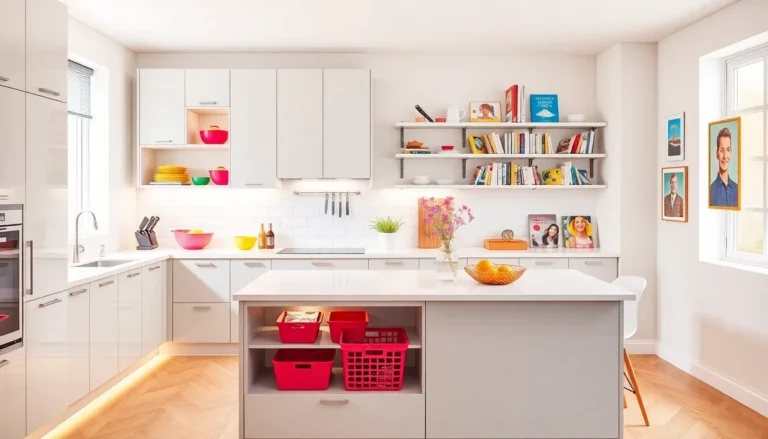
Tidy kitchens promote productivity. Start by designating a specific area for frequently used items, ensuring easy access during meal preparation. Utilize drawer dividers to separate utensils and keep counters clear. Regularly declutter, removing items that are not used or necessary. Maintain a system for cleaning as you go, which prevents mess from accumulating. Incorporating these habits results in a more organized and inviting space.
Smart Storage Solutions
Smart storage enhances visibility and accessibility. Use clear containers for pantry items, as they allow for quick identification of contents. Labeling containers ensures that ingredients are returned to their correct places. An under-sink organizer maximizes space for cleaning supplies, keeping them out of sight but easily reachable. Magnetic strips can store metal tools and spice jars, saving countertop space. Arranging frequently used pots and pans within reach reduces cooking time and improves efficiency.
Cooking Tips for Better Flavor
Discovering how to elevate flavors in cooking enhances every dish. Simple techniques exist that anyone can apply for remarkable results.
Seasoning Basics
Seasoning serves as a cornerstone for flavor enhancement. Salt boosts the natural taste of ingredients and brings out subtle flavors. It’s best to season gradually during cooking, allowing for adjustments as needed. The use of herbs and spices introduces depth; fresh herbs, like basil or cilantro, provide brightness, while dried spices, like cumin or paprika, offer warmth. Acidic ingredients, such as lemon juice or vinegar, balance flavors and brighten richness. Experimenting with different combinations leads to personalized taste profiles.
Cooking Methods Explained
Understanding various cooking methods promotes versatility in the kitchen. Sautéing quickly cooks food with a small amount of oil over high heat, ideal for developing flavors in vegetables and proteins. Roasting employs dry heat in an oven, creating caramelization for enhanced sweetness and texture in ingredients like root vegetables. Grilling imparts a smoky flavor through direct heat, perfect for meats and vegetables. Steaming, on the other hand, preserves nutrients and colors, maintaining integrity in delicate foods like fish. Familiarity with these methods allows for creative expression in every meal.
Embracing simple kitchen tips can transform the cooking experience from daunting to delightful. By incorporating organization strategies and essential tools into daily routines, home cooks can streamline meal preparation and reduce stress.
Utilizing time-saving techniques and understanding flavor enhancement methods allows for creativity and enjoyment in the kitchen. With the right approach and mindset, preparing delicious meals becomes not just achievable but also a rewarding endeavor.
Ultimately, these practical insights empower anyone to cook with confidence and ease, making every culinary journey a pleasure rather than a chore.