






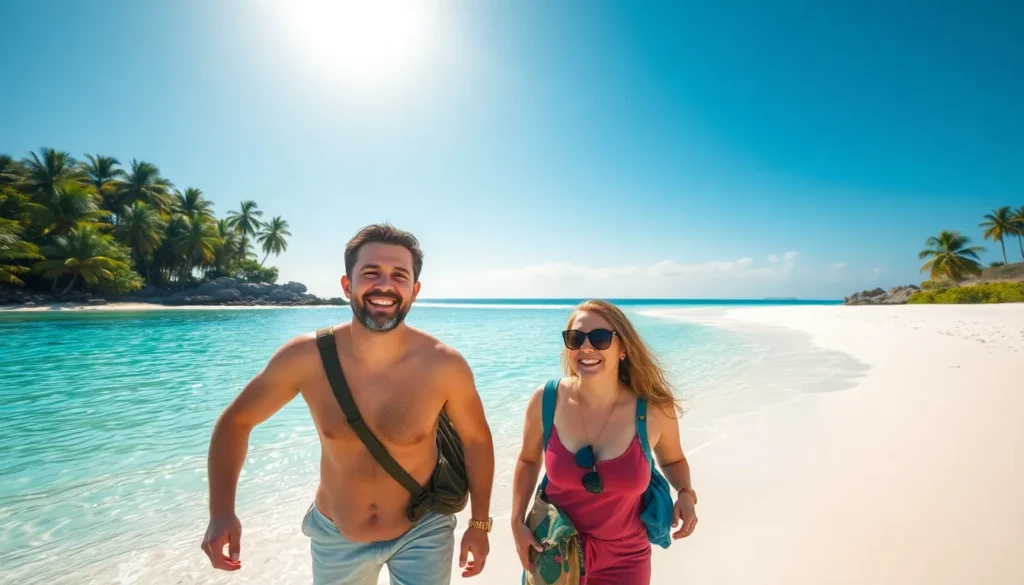
In a world that’s increasingly interconnected, the allure of remote travel destinations beckons adventurous souls seeking solace away from the hustle and bustle. These hidden gems offer not just breathtaking landscapes but also a chance to disconnect and immerse in nature’s tranquility. From untouched beaches to secluded mountain retreats, the beauty of these locations lies in their ability to provide a unique escape.
Traveling to remote areas can be a transformative experience. It allows individuals to explore cultures and environments that remain largely untouched by modern tourism. As wanderers seek authenticity and peace, the rise of remote destinations continues to capture the imagination, inviting travelers to embark on journeys that refresh the spirit and ignite the sense of adventure.
Overview of Remote Travel Destinations
Remote travel destinations offer unique experiences that diverge from conventional tourism. Travelers seeking solace often gravitate toward these locales known for their breathtaking natural beauty and tranquility. Examples include secluded islands, untouched forests, and remote mountain ranges that provide a peaceful escape.
These destinations frequently showcase authentic cultural experiences. Visitors engage with local traditions, cuisines, and lifestyles that remain undisturbed by mass tourism. Places like Bhutan and the Faroe Islands invite exploration far from crowded cities, enriching travelers’ experiences with genuine interactions.
Accessing remote areas often requires effort, but the rewards significantly outweigh the challenges. Activities in these regions can include hiking, kayaking, and wildlife watching, promoting a deeper connection to nature. Locations like Patagonia and the Amazon rainforest exemplify diverse landscapes and unique ecosystems.
Safety and sustainability are essential considerations for travelers. Exploring less-traveled paths supports conservation efforts and helps preserve indigenous cultures. By choosing remote locations, travelers contribute to sustainable tourism practices, ensuring that these destinations remain pristine for future generations.
Popular Remote Travel Destinations
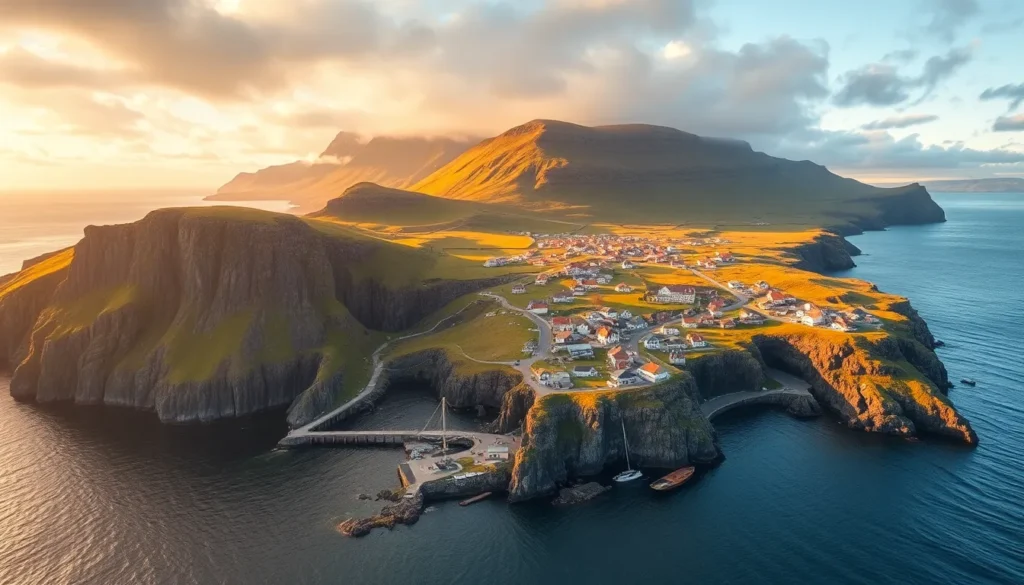
Remote travel destinations offer unique experiences characterized by stunning landscapes and rich cultural interactions. These locations allow travelers to immerse themselves in authentic environments away from mainstream tourism.
Unique Features of Each Location
- Bhutan: Known for its philosophy of Gross National Happiness, Bhutan offers stunning monasteries and lush landscapes. The country’s commitment to preserving its culture enhances traveler experiences.
- Faroe Islands: This archipelago features dramatic cliffs, vibrant villages, and unique birdwatching opportunities. Its isolation allows for a serene atmosphere, perfect for nature lovers.
- Antarctica: The last great wilderness on Earth presents breathtaking icebergs and diverse wildlife. Its pristine environment fascinates travelers seeking adventure and solitude.
- Socotra Island: Often referred to as the “Galápagos of the Indian Ocean,” Socotra boasts unique flora and fauna, including the iconic Dragon’s Blood Tree. Its remote location fosters an otherworldly experience.
- Svalbard: Located between Norway and the North Pole, Svalbard showcases stunning glaciers and polar bears. The midnight sun and northern lights create striking visuals year-round.
Accessibility and Travel Tips
- Planning Ahead: Research transportation options well in advance. Some remote locations require multiple modes of travel, such as flights, ferries, or drives.
- Vaccinations and Health Precautions: Check if specific vaccinations are needed. Ensure access to necessary medications in remote areas where pharmacies may be scarce.
- Pack Appropriately: Bring suitable gear for varying climates and activities. Items like sturdy footwear, warm clothing, and camping equipment enhance the travel experience.
- Local Regulations: Familiarize with local customs and regulations. Respecting cultural traditions enriches interactions and contributes to positive experiences.
- Connectivity: Be prepared for limited phone and internet services. Download maps or necessary information offline to avoid navigation challenges.
Benefits of Choosing Remote Travel
Remote travel destinations offer unique advantages that enhance the overall experience. These benefits contribute to personal growth and enriched travel encounters.
Connection with Nature
Remote travel provides unparalleled opportunities for immersion in nature. Travelers experience unspoiled landscapes, from rugged mountains to pristine coastlines. Engaging with nature fosters serenity and mindfulness. Breathing fresh air in these settings boosts mental well-being. Activities like hiking, birdwatching, and stargazing deepen the connection with the natural world. Reduced pollution levels also enhance the clarity of night skies, offering breathtaking views of celestial bodies.
Escape from Routine
Remote travel serves as a perfect escape from daily routines. Stepping away from urban life presents a chance to recharge and gain perspective. Travelers often find themselves in tranquil settings that encourage relaxation and reflection. Limited access to technology supports a digital detox, enabling individuals to immerse fully in their surroundings. This break can lead to improved mental clarity and a renewed sense of purpose. Embracing new cultures and local traditions further enriches the experience, providing fresh insights and personal growth.
Preparing for Remote Travel
Preparing for remote travel involves careful planning and consideration of unique challenges. Travelers must ensure they have everything needed for a safe and enjoyable experience.
Essential Packing List
- Clothing
Choose moisture-wicking layers, waterproof jackets, and sturdy hiking boots. Include warm clothing for varying temperatures, especially in mountainous areas.
- Technology
Pack portable chargers, power banks, and a reliable GPS device. Bring a satellite phone or personal locator beacon for emergencies.
- Health Supplies
Include a comprehensive first-aid kit, prescription medications, and any required vaccinations. Bring insect repellent and sunscreen to protect against harsh elements.
- Food and Water
Carry non-perishable food items, such as energy bars and nuts. Include a portable water filter or purification tablets to ensure safe drinking water.
- Adventure Gear
Bring items suitable for specific activities, such as trekking poles, binoculars for wildlife watching, or snorkeling gear for coastal explorations. Don’t forget a lightweight, durable backpack.
Planning Your Itinerary
- Research Destinations
Investigate remote areas and choose locations based on interests and activities. Consider cultural experiences and natural attractions unique to each destination.
- Transportation Logistics
Confirm the availability of transportation options, including flights, ferries, or 4WD vehicles. Plan for longer travel times and incorporate flexibility in schedules.
- Accommodation Arrangements
Book accommodations in advance, especially during peak seasons. Consider unique lodging options like cabins, eco-lodges, or homestays to enhance the travel experience.
- Local Regulations
Familiarize with local laws, regulations, and customs. Understanding cultural norms fosters respectful interactions with local communities.
- Connectivity Planning
Anticipate limited access to internet and phone services. Inform family and friends of travel plans to ensure safety and maintain communication in remote areas.
Exploring remote travel destinations offers a unique opportunity to reconnect with nature and immerse oneself in authentic cultures. These hidden gems provide a refreshing escape from the hustle and bustle of modern life. With breathtaking landscapes and rich traditions waiting to be discovered, travelers can find not just adventure but also personal growth and tranquility.
As more individuals seek solace in these untouched areas, the importance of safety and sustainability becomes paramount. By choosing to travel responsibly, they can help preserve these beautiful locales for future generations. Embracing the challenges of remote travel can lead to unforgettable experiences that inspire deeper connections with the world around them.