






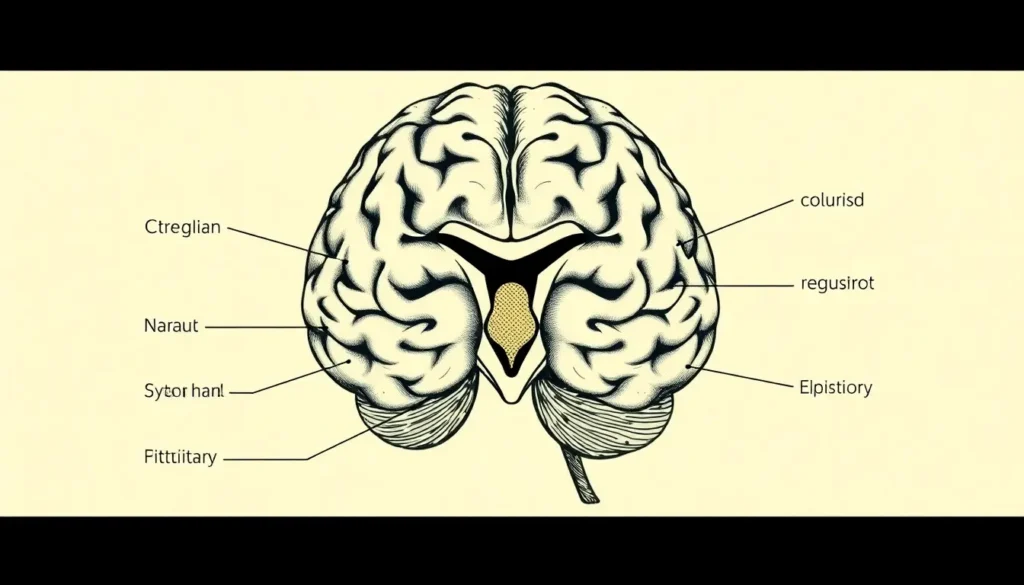
The pituitary gland might not be the star of the endocrine show, but it’s definitely the behind-the-scenes director calling all the shots. Nestled snugly at the base of the brain, this tiny pea-sized powerhouse orchestrates a symphony of hormones that regulate everything from growth to mood. It’s like the conductor of a hormonal orchestra, ensuring that each section plays its part in perfect harmony.
Pituitary Gland AP Psychology Definition
The pituitary gland is a pea-sized structure located at the base of the brain. Known as the master gland, it plays a vital role in regulating the endocrine system. This gland releases various hormones that influence several bodily functions, including growth, metabolism, and mood regulation.
Hormones from the pituitary gland include growth hormone, which affects growth and development, and antidiuretic hormone, which regulates water balance in the body. Besides these, the pituitary gland also releases luteinizing hormone and follicle-stimulating hormone, both essential for reproductive functions.
Understanding the pituitary gland’s functions is crucial in psychology. Disturbances in hormone levels can lead to significant psychological effects, impacting mood and behavior. For instance, imbalances in growth hormone can lead to disorders like gigantism or dwarfism, while abnormalities in antidiuretic hormone can result in conditions affecting emotional well-being.
Moreover, the pituitary gland operates under the influence of the hypothalamus, which sends signals to the gland to release or inhibit hormone production. This interaction between the hypothalamus and the pituitary is a key factor in maintaining homeostasis within the body.
The pituitary gland’s impact on hormonal regulation designates it as an essential component of the endocrine system. Its functions encompass various physiological and psychological processes, making it a significant topic in AP psychology studies.
Importance of the Pituitary Gland
The pituitary gland plays a pivotal role in various bodily functions. Known as the master gland, its hormonal regulation significantly impacts overall health.
Hormonal Regulation
Hormonal regulation occurs through the pituitary gland’s release of key hormones. Growth hormone stimulates growth and cell reproduction. Antidiuretic hormone aids in water retention and blood pressure regulation. Luteinizing hormone and follicle-stimulating hormone are crucial for reproductive health. Each hormone released helps coordinate different bodily processes, ensuring they function efficiently. Disruptions in these hormones can lead to conditions that affect physical and mental well-being. For example, irregular growth hormone levels may result in gigantism or dwarfism. This demonstrates how intricately hormones influence various aspects of life.
Role in Homeostasis
Homeostasis maintains balance within the body, and the pituitary gland is essential in this process. By responding to signals from the hypothalamus, the gland regulates hormonal output based on the body’s needs. This regulation helps manage stress responses, thirst, and metabolism. For instance, fluctuations in hormone production can affect energy levels and mood stability. The pituitary gland continuously monitors and adjusts these hormones to promote stability. Consequently, its proper functioning is vital for mood regulation and mental health.
Functions of the Pituitary Gland
The pituitary gland consists of two main parts, each with distinct functions essential for overall health. These parts manage various hormonal activities crucial for bodily and psychological processes.
Anterior Pituitary Functions
The anterior pituitary produces several key hormones that influence growth and development. Growth hormone stimulates tissue growth and regulates metabolism. Prolactin promotes milk production in lactating women. Luteinizing hormone and follicle-stimulating hormone play significant roles in reproductive health; they regulate ovulation and sperm production. Thyroid-stimulating hormone initiates thyroid hormone production, which affects metabolism throughout the body. Each hormone released by the anterior pituitary contributes to the intricate balancing act necessary for maintaining homeostasis.
Posterior Pituitary Functions
The posterior pituitary stores and releases hormones produced by the hypothalamus. Antidiuretic hormone, known for regulating water balance, controls how much water the kidneys retain. Oxytocin influences social bonding and reproductive functions, playing a crucial role in childbirth and lactation. This part of the pituitary gland acts as a reservoir for these vital hormones, ensuring timely release into the bloodstream when needed. Hormonal adjustments from the posterior pituitary significantly affect emotional states and social interactions, demonstrating its importance in both physiological and psychological domains.
Pituitary Gland in Psychological Context
The pituitary gland plays a pivotal role in both behavior and mental health. This small gland’s hormonal influence extends into various psychological domains.
Impact on Behavior
Pituitary gland hormone fluctuations can significantly affect behavior. Growth hormone variations might lead to changes in energy levels, while abnormalities in hormones like prolactin can influence emotional responses. Social interactions often reflect these hormonal shifts, with oxytocin enhancing feelings of connection and trust. Additionally, luteinizing hormone imbalances may affect libido and motivation. Understanding these connections helps grasp the behavioral implications stemming from hormonal regulation in the pituitary gland.
Connection to Mental Health
The relationship between the pituitary gland and mental health is crucial. Hormonal imbalances can manifest in disorders such as depression and anxiety. Growth hormone deficit contributes to fatigue and low mood, impeding overall emotional stability. Antidiuretic hormone anomalies impact water retention, which can lead to physical symptoms influencing mental well-being. Furthermore, oxytocin’s role in social bonding links closely to feelings of happiness and belonging. Exploring these hormonal interactions can shed light on the psychological challenges individuals may face, underscoring the pituitary gland’s importance in mental health discussions.
The pituitary gland serves as a cornerstone of the endocrine system influencing both physical and mental health. Its intricate hormonal regulation plays a vital role in growth metabolism and emotional well-being. By understanding the functions and significance of this master gland students and professionals can better appreciate its impact on psychological conditions. Recognizing the interplay between hormones and behavior is essential for those studying AP psychology. The pituitary gland’s contributions extend far beyond mere physiology underscoring its importance in the broader context of human health and psychology.