





In today’s fast-paced world, cooking at home often feels like a daunting task. Yet, with a few DIY cooking tips, anyone can transform their kitchen into a culinary haven. Whether you’re a novice or a seasoned chef, these practical strategies not only simplify meal prep but also enhance flavors and presentation.
From mastering basic knife skills to experimenting with herbs and spices, the joy of cooking lies in creativity and exploration. With the right techniques, home-cooked meals can rival those from any restaurant. Embracing DIY cooking tips empowers individuals to take charge of their meals, making cooking an enjoyable and rewarding experience.
Essential DIY Cooking Tips
Understanding ingredients and selecting fresh produce enhances the cooking experience and improves meal quality. He or she can achieve impressive results by mastering these critical elements.
Understanding Your Ingredients
Understanding ingredients promotes better cooking outcomes. He or she should learn about different types of ingredients, including grains, proteins, and vegetables, to create balanced meals. Familiarizing oneself with flavor profiles helps in making informed substitutions. For instance, knowing that basil complements tomatoes can elevate a dish’s taste. Reading labels provides insights into nutritional values and cooking times, which streamlines meal preparation. Recognizing seasonal ingredients allows for maximizing flavors and freshness in dishes.
Importance of Fresh Produce
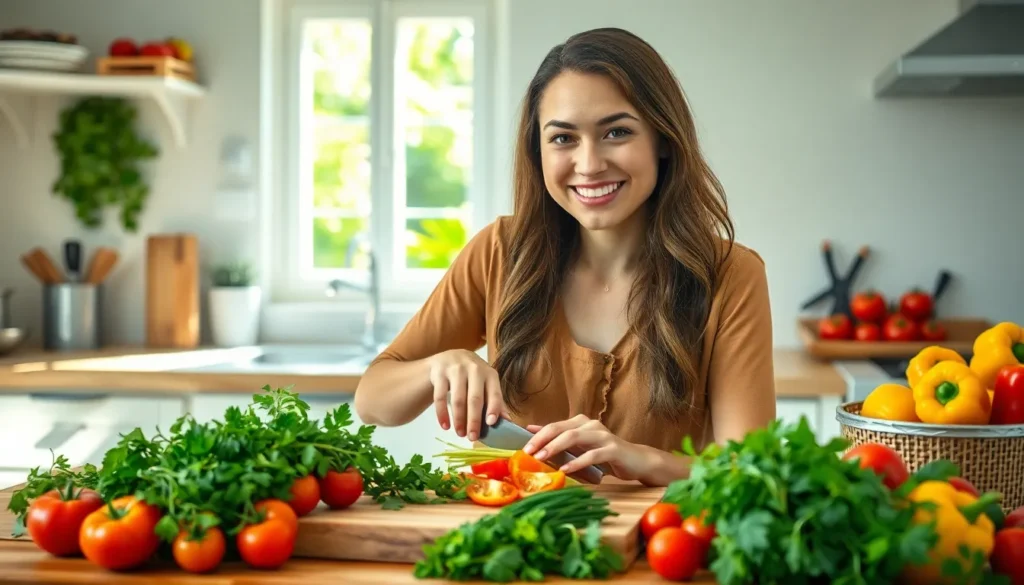
Fresh produce significantly impacts flavor and nutrition. She or he should prioritize using in-season fruits and vegetables for optimal taste and texture. Selecting vibrant, unblemished produce while shopping helps ensure quality. Storing produce properly extends its shelf life, maintaining freshness and nutrients. Washing fruits and vegetables thoroughly before use removes pesticides and contaminants. Incorporating a variety of colors in meals promotes visual appeal and provides diverse nutrients for a healthy diet.
Cooking Techniques to Master
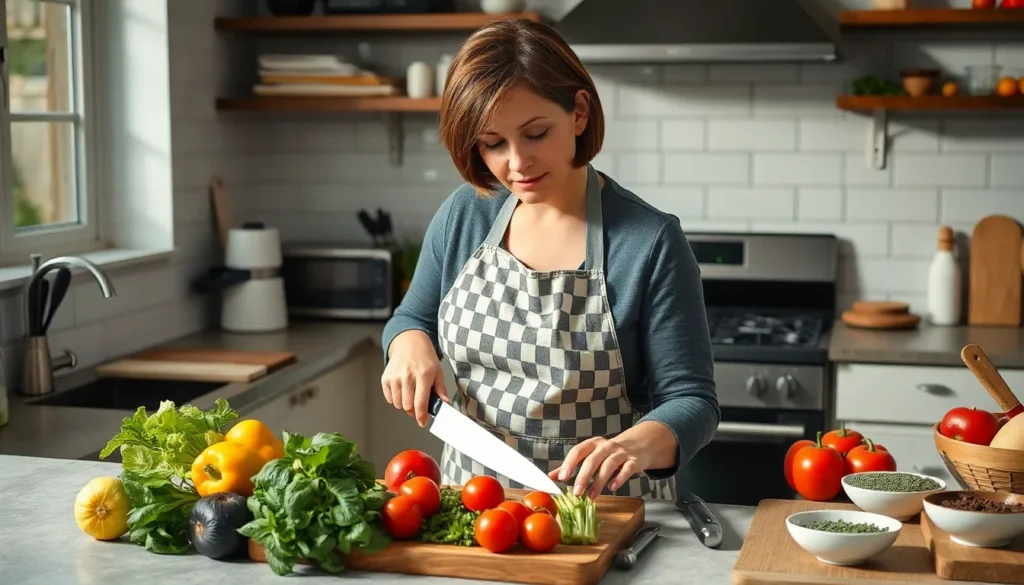
Mastering essential cooking techniques enhances meal preparation and improves culinary outcomes. Focusing on specific skills can elevate home cooking from basic to exceptional.
Knife Skills for Home Cooks
Knife skills are foundational for efficient and safe food preparation. Here’s a list of key techniques to practice:
- Chopping: Slice vegetables into uniform pieces for even cooking.
- Dicing: Cut ingredients into small cubes to incorporate into dishes easily.
- Mincing: Finely chop herbs and garlic to maximize flavor extraction.
- Julienning: Cut vegetables into thin strips for salads and stir-fries.
- Brunoise: Dice vegetables into tiny cubes for sauces and garnishes.
Regular practice of these skills can improve speed and precision in the kitchen, making it easier to prepare a variety of dishes.
Methods for Cooking Meat
Understanding various cooking methods for meat can significantly enhance flavor and texture. Key techniques include:
- Grilling: Cook meat over direct heat to achieve a smoky flavor and caramelized surface.
- Roasting: Bake meat at high heat to create a crispy exterior while keeping it tender inside.
- Sautéing: Quickly cook meat in a small amount of fat to retain moisture and flavor.
- Braising: Slow-cook meat in liquid to develop depth and tenderness, ideal for tougher cuts.
- Steaming: Cook meat using steam to preserve moisture and nutrients while avoiding added fat.
Mastering these methods provides cooks with flexibility, allowing for the creation of diverse and flavorful meat dishes.
Flavor Enhancers
Flavor enhancers elevate dishes, adding depth and complexity. Utilizing herbs, spices, and homemade sauces enhances the overall dining experience.
Herbs and Spices
Herbs and spices significantly transform meals, providing distinct flavor profiles.
- Basil: Fresh basil adds a sweet and peppery taste to dishes such as pasta or salads.
- Cilantro: Cilantro introduces a bright and citrusy flavor, perfect for salsas or Asian cuisines.
- Oregano: Oregano brings earthy notes, enhancing Italian dishes and roasted vegetables.
- Cumin: Cumin offers a warm, nutty flavor, often used in curries and chili.
- Paprika: Paprika adds a subtle sweetness and vibrant color to soups and stews.
Experimenting with different combinations can reveal unique flavor profiles, making each dish a culinary adventure.
Homemade Sauces and Dressings
Homemade sauces and dressings enhance meals by adding freshness and flavor.
- Pesto: Made from basil, garlic, pine nuts, and olive oil, pesto delivers a rich, herby flavor, ideal for pasta or spreading on sandwiches.
- Vinaigrette: A simple vinaigrette of olive oil, vinegar, and mustard provides a tangy brightness to salads and roasted vegetables.
- Tomato Sauce: A homemade tomato sauce, with fresh tomatoes and herbs, transforms pasta dishes and pizzas into flavorful meals.
- Chimichurri: This sauce, made with parsley, garlic, and vinegar, introduces vibrant flavors to grilled meats and vegetables.
- Tzatziki: Tzatziki, a yogurt-based sauce with cucumber and garlic, adds a refreshing element to Mediterranean cuisine.
Creating these sauces from scratch allows for customization, ensuring they complement specific meals perfectly.
Common Mistakes to Avoid
Avoiding common cooking mistakes can significantly improve the quality of home-cooked meals. Understanding potential pitfalls enhances both skill and confidence in the kitchen.
Overcooking vs. Undercooking
Overcooking can lead to tough meats and mushy vegetables, diminishing flavor and texture. Monitoring cooking times and using a food thermometer provides accurate measurements, ensuring meats reach the appropriate internal temperature. For instance, poultry needs 165°F, while medium rare beef should reach 130°F.
Undercooking poses health risks and unpleasant dining experiences. Regularly testing food doneness, particularly for grains and pasta, prevents serving meals that lack adequate cooking. Stirring and checking textures throughout the process enhances consistency and results in satisfying dishes.
Mismanaging Seasoning
Mismanaging seasoning results in bland or overly salty meals. Always season food in stages, adding salt and spices gradually, allowing for better flavor control. For example, taste chicken while cooking to assess its seasoning levels.
Using fresh herbs at the right time also impacts flavor. Add delicate herbs like basil at the end of cooking to retain their freshness, while heartier herbs like rosemary can infuse flavor when added earlier. Balancing acidity with a splash of lemon juice or vinegar can elevate dishes, providing brightness and enhancing overall taste profiles.
Embracing DIY cooking tips can transform the kitchen into a space of creativity and enjoyment. By honing essential skills and experimenting with fresh ingredients, cooks can elevate their meals from ordinary to extraordinary. Understanding flavor profiles and mastering techniques not only enhances the quality of dishes but also builds confidence in the kitchen.
Avoiding common mistakes and focusing on proper seasoning can make a significant difference in meal outcomes. With these insights, anyone can embark on a culinary journey that’s both rewarding and delicious. Home cooking offers endless possibilities, encouraging individuals to explore and enjoy the art of preparing meals.