



In the fast-paced world we live in, finding ways to cook more efficiently can make all the difference. Whether juggling a busy schedule or simply wanting to enjoy more time with loved ones, mastering cooking efficiency can transform meal prep from a chore into a breeze.
By implementing a few smart strategies, anyone can streamline their kitchen routine and whip up delicious meals in no time. From organizing ingredients to utilizing time-saving gadgets, these cooking efficiency tips are designed to help cooks of all levels maximize their efforts. Embrace the joy of cooking while reducing stress and reclaiming precious hours in the kitchen.
Understanding Cooking Efficiency
Cooking efficiency involves maximizing productivity in the kitchen while minimizing time and energy spent. Recognizing key aspects of cooking efficiency can transform meal preparation into a streamlined process.
Organizing Workspaces
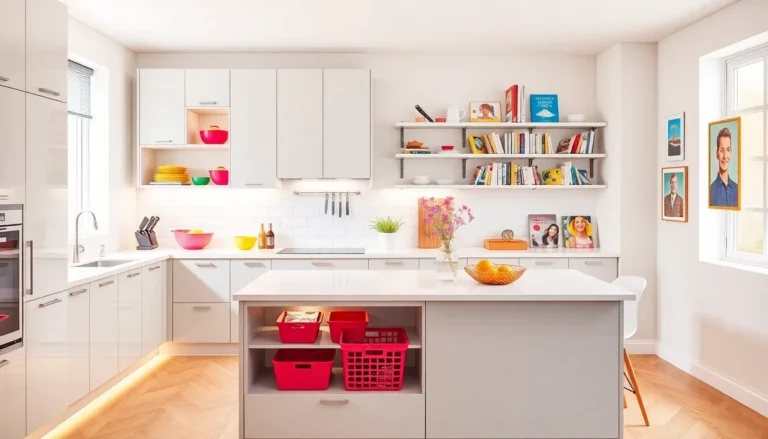
Organizing workspaces enhances cooking efficiency. This includes:
- Decluttering surfaces – Keep countertops clear of unnecessary items to create space for food prep.
- Grouping ingredients – Arrange ingredients by category or recipe to simplify access.
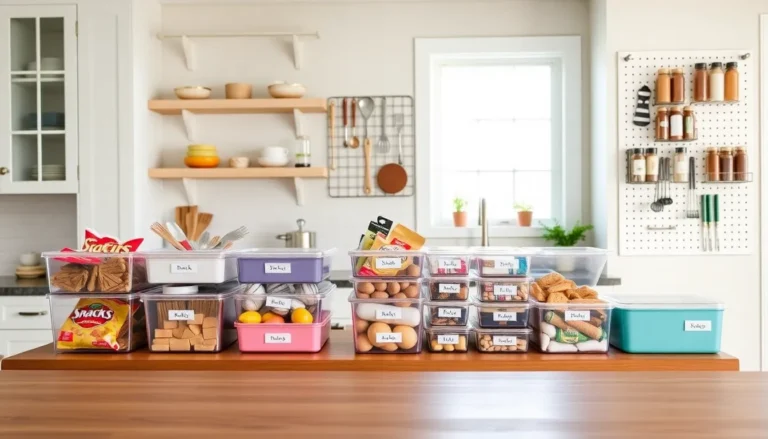
- Using clear containers – Store spices and grains in transparent containers for easy visibility.
Utilizing Time-Saving Gadgets
Utilizing time-saving gadgets can significantly improve cooking efficiency. Consider these tools:
- Slow cookers – Allow cooks to prepare meals with minimal effort over extended periods.
- Food processors – Chop, slice, and puree quickly, reducing manual preparation time.
- Instant pots – Combine multiple cooking methods for fast, versatile meal preparation.
Meal Planning Strategies
Meal planning contributes to cooking efficiency. Implement the following strategies:
- Creating a weekly menu – Choose recipes in advance to streamline grocery shopping and cooking.
- Batch cooking – Prepare larger quantities of meals to save time during busy weeks.
- Freezing portions – Store individual servings for easy access on hectic days.
Streamlining Cooking Processes
Streamlining cooking processes aids efficiency. Incorporate these practices:
- Mise en place – Prep all ingredients before cooking to ensure a smoother workflow.
- Multi-tasking – Cook multiple dishes simultaneously to maximize time.
- Using the oven effectively – Bake multiple items at once if they require similar temperatures.
Improving Cooking Skills
- Knife skills – Develop chopping techniques for faster food preparation.
- Cooking techniques – Learn various methods to increase versatility and speed in the kitchen.
- Time management – Practice timing each cooking step to reduce overall meal preparation time.
Meal Preparation Strategies
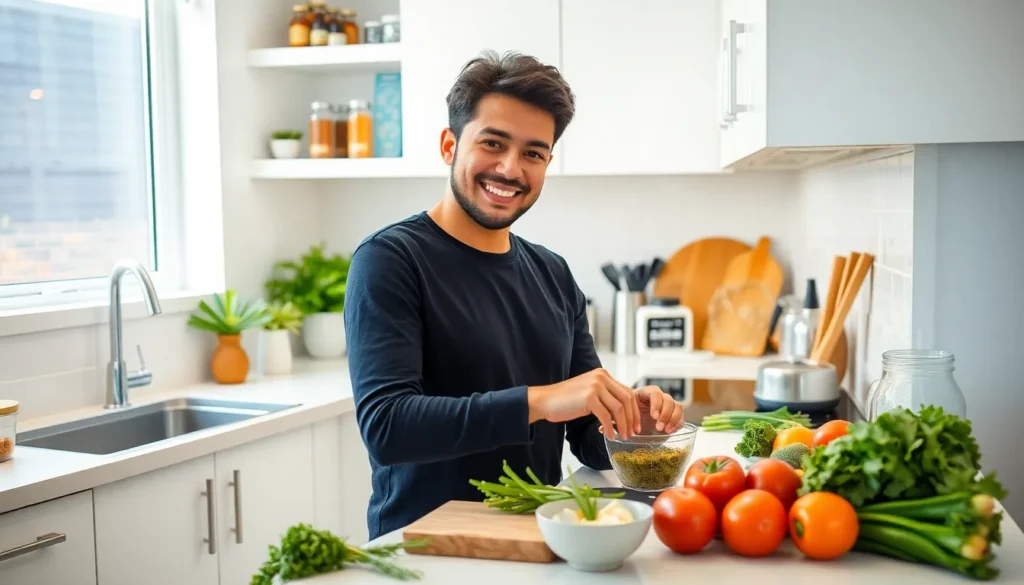
Efficient meal preparation is essential for simplifying cooking tasks and reducing time spent in the kitchen. Implementing a few key strategies can optimize workflows and enhance overall culinary experiences.
Plan Your Meals Ahead
Planning meals ahead ensures efficiency and reduces decision fatigue. Allocate time each week to create a menu, focusing on ingredients that complement each other.
- Prepare shopping lists based on the planned meals to avoid unnecessary purchases.
- Use a variety of recipes to maintain interest and balance nutrition.
- Schedule cooking days to undertake batch cooking for multiple meals.
- Consider incorporating leftovers into future meals, maximizing ingredient usage.
Organize Your Kitchen Space
An organized kitchen enhances productivity and streamlines preparation tasks.
- Declutter countertops to create clear workspaces conducive to efficient cooking.
- Group similar ingredients together, such as spices, grains, and canned goods, to minimize searching time.
- Utilize clear containers to enable easy visibility of ingredients, encouraging usage before expiration.
- Keep frequently used tools within reach to facilitate smooth cooking workflows.
- Label shelves and containers to further support an organized environment.
Implementing these meal preparation strategies boosts cooking efficiency and promotes a stress-free kitchen atmosphere.
Cooking Techniques for Efficiency
Cooking efficiently involves implementing techniques that save time and simplify meal preparation. Two effective methods include utilizing one-pot meals and mastering batch cooking.
Utilizing One-Pot Meals
One-pot meals streamline the cooking process by combining ingredients and minimizing cleanup. Cooks can prepare entire dishes, such as casseroles, soups, or stir-fries, in a single pot or pan. This method not only saves time but also enhances flavors as ingredients meld during cooking. Examples of popular one-pot meals include chili, risotto, and pasta with sauce. Utilizing these meals should involve selecting recipes suited for one-pot preparation and following cooking times carefully to ensure even cooking.
Mastering Batch Cooking
Mastering batch cooking allows for efficient meal preparation across multiple days. This technique involves cooking large quantities of food at once, storing them in containers, and reheating as needed. Cooks can select versatile recipes that freeze well, like stews or grilled chicken. Planning a weekly batch-cooking session can significantly reduce daily cooking time. It’s beneficial to label containers with date and contents for easy identification. Implementing this technique not only streamlines daily meals but also reduces food waste.
Time-Saving Tools and Gadgets
Utilizing the right tools and gadgets significantly boosts cooking efficiency. They reduce preparation time and simplify various cooking tasks, making the kitchen experience more enjoyable.
Essential Kitchen Appliances
Essential kitchen appliances enhance meal preparation and save time. Common appliances include:
- Slow Cookers: They allow for unattended cooking, making them ideal for busy schedules. Users can set ingredients in the morning and return to a fully cooked meal.
- Instant Pots: These multi-functional devices combine pressure cooking, slow cooking, and sautéing. They speed up cooking processes for rice, stews, and even yogurt.
- Food Processors: These gadgets streamline chopping, slicing, and shredding tasks, reducing manual effort and saving time in ingredient preparation.
- Blenders: Versatile blenders are perfect for smoothies, soups, and sauces, allowing for quick meal prep with minimal cleanup.
- Microwaves: They effectively reheat leftovers and cook certain dishes rapidly, proving especially useful for quick snack preparation.
Smart Storage Solutions
Smart storage solutions help maintain an organized kitchen, facilitating efficient cooking. Key solutions include:
- Clear Containers: Transparent containers allow visibility of ingredients, making it easier to locate items quickly.
- Stackable Bins: These maximize vertical space, optimizing storage while keeping pantry essentials accessible.
- Magnetic Spice Racks: Magnetic spice containers save drawer space, providing easy access to spices during cooking.
- Labeling: Clear labels on containers promote organization, reducing time spent searching for specific items.
- Drawer Organizers: These keep utensils sorted and accessible, streamlining meal prep and cooking tasks.
Implementing these essential appliances and smart storage solutions enhances kitchen efficiency, allowing for quicker and more enjoyable cooking experiences.
Managing Cooking Time
Effective management of cooking time enhances productivity and enjoyment in the kitchen. Implementing structured approaches can significantly streamline meal preparation.
Time-Tracking Methods
Tracking time during cooking improves efficiency and helps adhere to schedules. Using timers, whether digital or mechanical, can ensure tasks like boiling, baking, or simmering maintain precise durations. Cooking apps also offer countdown features, allowing users to monitor multiple tasks simultaneously. For instance, setting a timer for roast preparation while monitoring the stove ensures that nothing overcooks. Additionally, documenting the time taken for various recipes allows cooks to refine and optimize their future meal preparations.
Multitasking in the Kitchen
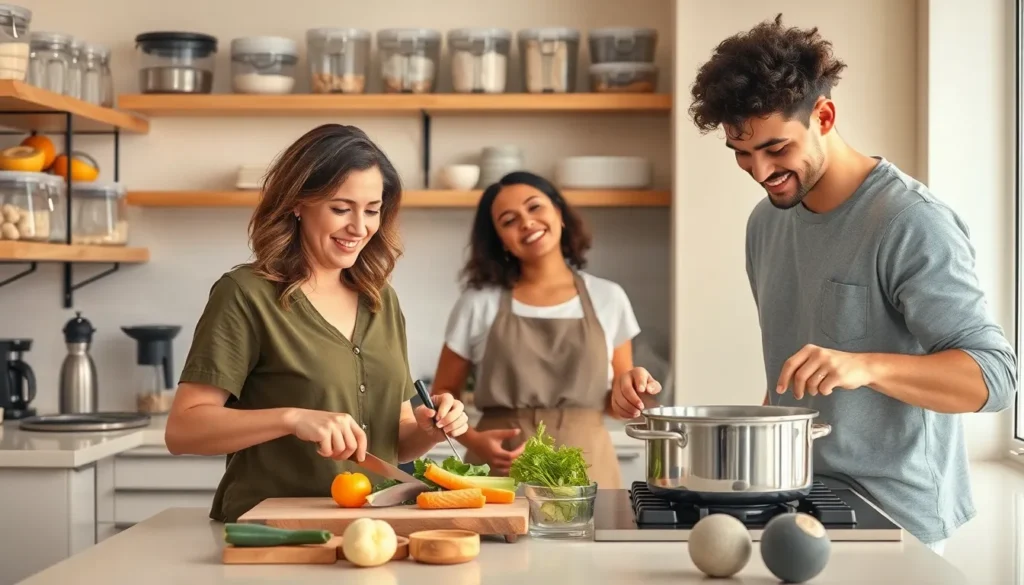
Multitasking enables cooks to maximize their time effectively. Engaging in simultaneous tasks, such as chopping vegetables while a sauce simmers, ensures optimal use of available time. For example, one can start boiling pasta while preparing a sauce or washing and cutting ingredients as other items cook. It’s essential to remain organized while multitasking; using a mise en place approach aids in maintaining focus. Cooks can set up all ingredients, tools, and equipment in advance to streamline their workflow and minimize disruptions, ensuring efficient operation.
Cooking efficiently not only saves time but also enhances the overall experience in the kitchen. By implementing smart strategies and utilizing time-saving gadgets, anyone can transform their cooking routine. Embracing meal planning and organization fosters a more enjoyable atmosphere for preparing meals.
With the right techniques and tools, cooks can streamline their processes and focus on creating delicious dishes. Ultimately, these efficiency tips empower individuals to spend less time in the kitchen and more time enjoying meals with family and friends. Adopting these practices can lead to a more satisfying culinary journey.